Research
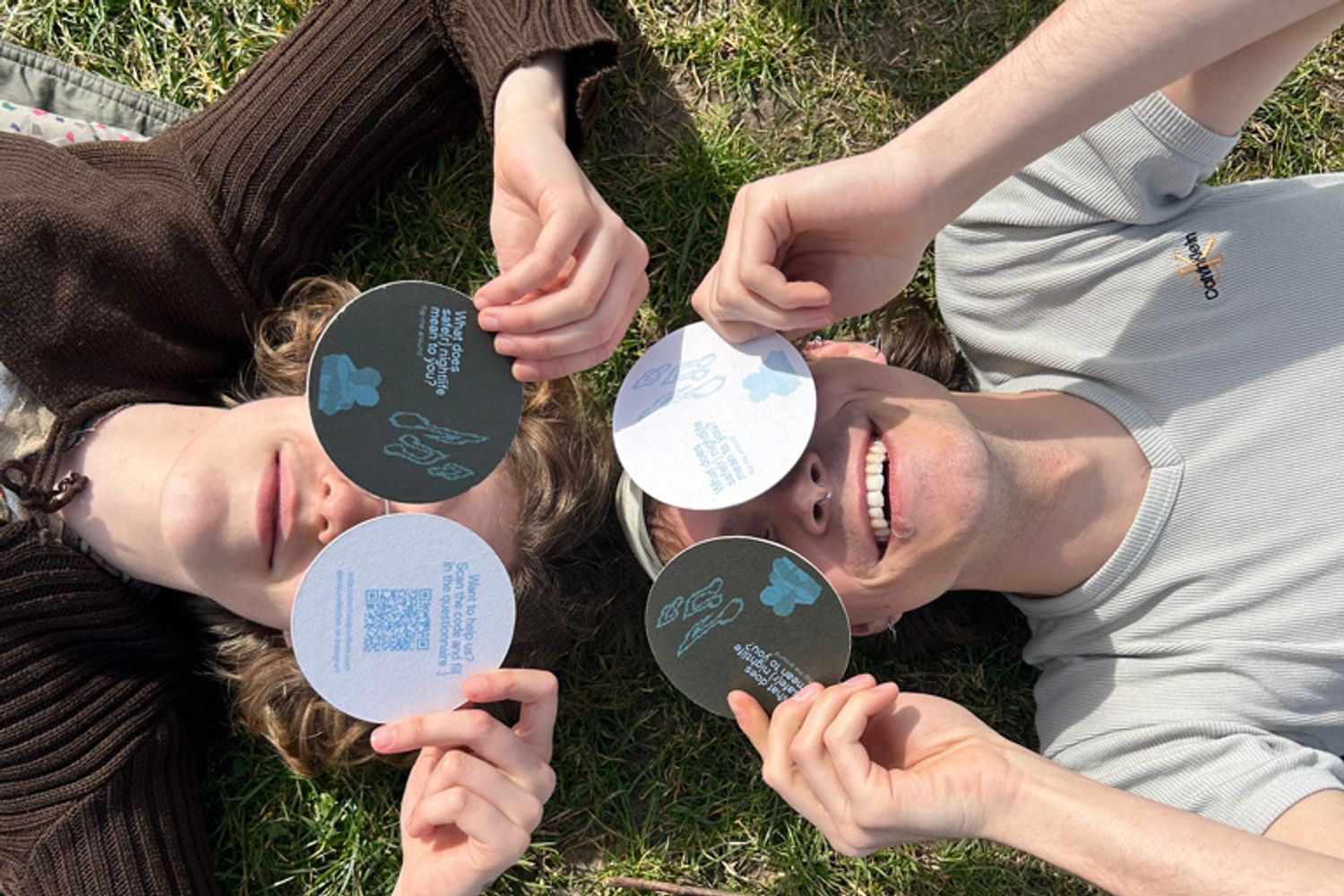
As part of the EYC project 2024, LEDA.collective explored what safe(r) spaces in nightlife mean and what they require. This research sheds light on the complexity and multiple dimensions of the safe(r) space issue.
Why this research?
While nightlife is often associated with freedom and self-expression, these spaces are not equally safe for all. Persistent experiences of discrimination, intimidation, and violence highlight structural issues. This research aims to advance knowledge and practices that support safer and more aware nightlife, as part of broader social transformation.
How did we do this?
To understand the topic from different angles, we used several methods:
- Reviewing existing literature
- Conducting visitor surveys
- Talking with organizers, experts, and vulnerable groups in interviews and focus groups
- Hosting workshops with visitors and staff
This mix allowed us to bring together facts and lived experiences, resulting in a rich and nuanced understanding.

What did we research?
The study addressed four central dimensions of safe(r) spaces:
- Need: The underlying necessity for safe(r) spaces and the risks experienced by marginalized groups.
- Current practice: The functioning, visibility, and accessibility of existing safe(r) spaces.
- Experience: The lived experiences of users, including strengths and limitations of current practices.
- Recommendations: Strategies required for structural and sustainable improvement.
What did we learn?
From our research, several key insights emerged:
- A "safe(r) space" label only has value when it is truly genuine and meaningful.
- When organizations are too homogeneous, important perspectives are easily missed.
- Feeling safe should never be a privilege or luxury.
- Those who care for others also need care themselves.
- The goal must always be prevention, stepping in before a crisis arises.
- Safe(r) spaces have relevance not only in nightlife, but in many areas of society.
- Above all, safe(r) spaces are not a fixed outcome but a continuous process.
Vision of the future
The future of safe.r spaces demands structural anchoring, not isolated initiatives or symbolic policies. It's time for these spaces to be recognized as a fundamental part of nightlife, supported by policymakers, organizers, and the broader community – with sustainable investments in training, collaboration, and evaluation.
What currently often relies on volunteer efforts must evolve into a shared, professional responsibility. We have the knowledge and resources—now is the time to build a future in which safety, care, and inclusion are not luxuries, but a given.
Want to know more?
Download the full study [insert link].
Thanks to everyone who made this possible, from participants to designers and researchers.